If you have heard your child make a little figure say "right, time for bed now" in exactly your tone of voice, you have seen pretend play. Children play what they see around them: cooking, bedtime, a bus ride or a fire engine on its way. It may seem ordinary, but for the child it is a way of exploring everyday life.
What is pretend play?
In pretend play, the child is someone else for a while. It could be mum, dad, a police officer, a shopkeeper or an animal. The child can play the role themselves, or give figures voices and lines. It is the same game, just with different actors.
Why children play out everyday life
Everyday life is full of things children do not decide for themselves. In play, that is turned around: now it is the child who decides when dinner is served and who has a bath first. Many parents notice that the same scenes are played again and again, and that the game changes a little each time.
Pretend play with figures and small rooms
Small figures and rooms make it easier to play out stories. The child can move several characters at once and walk them from the kitchen to the bedroom. The dollhouse is one of the oldest examples of this kind of toy, and it is still popular because there is room for every everyday scene.
In Crateit Roomies, each house has two floors and its own figure. Camilla, mum in the Roomies family, lives in Breakfast in Bed with a kitchen and a bedroom, and Thomas, dad, has an office and a balcony in The Cloud Office. Max and Emma are the children. That gives a small family to play with, and the houses can stand side by side.
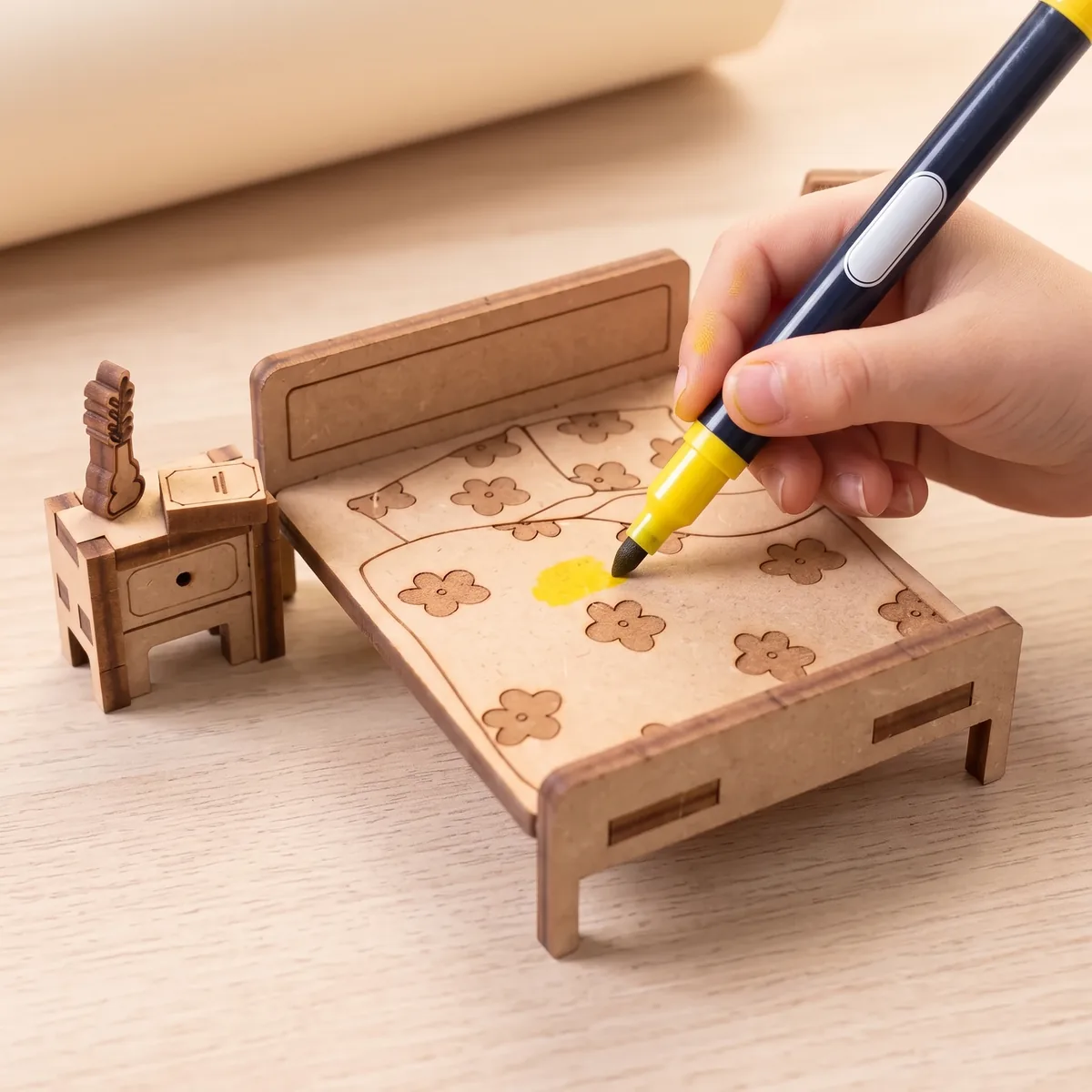
Breakfast in Bed
A kitchen and a bedroom across two floors. Camilla, mum in the Roomies family, is included.
View product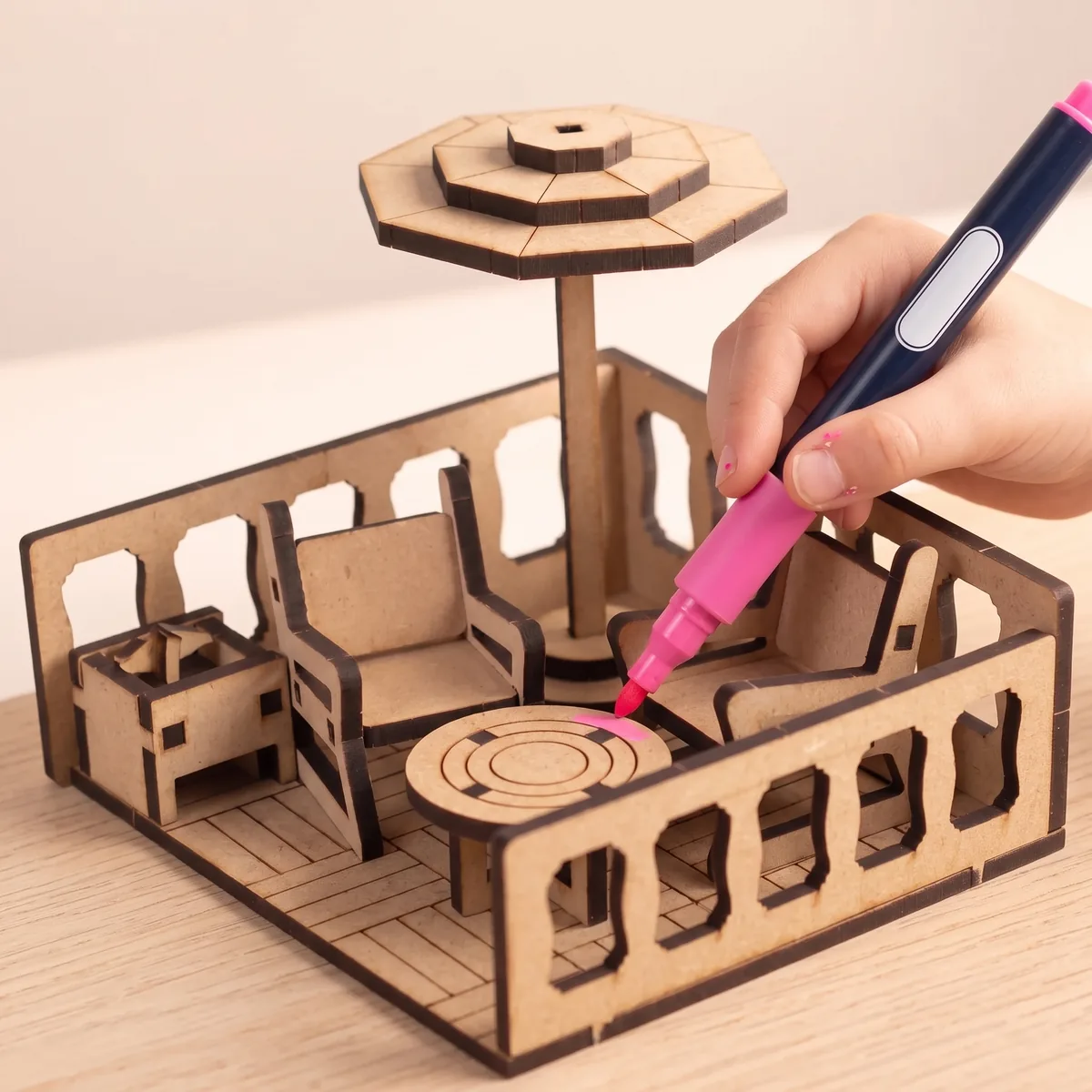
The Cloud Office
An office and a balcony across two floors. Thomas, dad in the Roomies family, is included.
View product
Når legen flytter ud af huset
Rollelege foregår ikke kun i dukkehuset. Mange børn leger også udrykninger, busture og ture rundt i byen. Den slags leg har vi skrevet om i Rolleleg med brandmænd og politi.
How to make room for pretend play
You do not need to do much. Let the game stay set up so it can carry on the next day. Ask with curiosity, but do not take over the story. And choose toys that do not come with one fixed story built in. Figures and rooms without a right answer leave room for the stories the child comes up with.
Pretend play at different ages
The youngest often play short scenes with one figure at a time. Later the stories get longer and more characters join in. When children play together, they also have to agree on who is who and what happens next. That is part of the game, and often the part that takes longest.
Pretend play and language
In pretend play, children often speak differently than usual. They give the figures voices, borrow phrases from the adults and make up lines for situations they know from everyday life. Many parents are surprised how many of their own sentences they recognise when they listen in.
Pretend play is also where children try out situations they have not experienced yet, such as the first day at school, a visit to the dentist or a new baby sister. Play gives a safe setting to do it in, because the child decides how it ends.
When the game stalls
Sometimes a game stalls because the story is finished. A small nudge can help: a new figure coming to visit, a room that needs rearranging, or a colour that needs to go on a piece of furniture. It does not need to be more than that. The child usually takes over again once there is something new to play with.
Pretend play can also be a good way into talking about what is on the child's mind. When a figure is off to nursery, or someone in the game is sad, a curious question like "what happens then?" can open up a conversation that might not otherwise have happened. Listen more than you ask.
If your child wants you in every single game, also read How children learn to play on their own.