Most parents know the feeling. You finally sit down, and half a minute later the child is standing there: "What shall I do?" Playing alone isn't something most children can do from the start. It's something they practise, and there are a few things you can do to help it along.
Let the boredom sit for a while
It's tempting to come up with a suggestion the moment the child says they're bored. But it's often just on the other side of boredom that the child comes up with something themselves. Try waiting a couple of minutes before you step in. It feels longer than it is.
Don't interrupt once the play has started
When the child is finally absorbed in something, it's natural to ask what they're doing. It's well meant, but it pulls their attention out of the play. A child deep in a story between two figures should ideally be allowed to stay there.
Be nearby, but not part of the play
Many children play happily on their own as long as they can hear someone nearby. Sitting in the kitchen while the child plays in the living room is often enough. That isn't the same as joining in.
The toys matter
A toy with a fixed answer is fun until the task is solved. Then there's nothing more. A toy with no right way of doing things, on the other hand, needs the child to decide what should happen, and it's exactly that decision that keeps the play going.
That difference is what lies behind what the toy industry calls open ended play. There are no instructions to follow to the end, and no right solution. Crateit sets click together without glue and come unpainted, so both the shape and the colours are up to the child.
Start with something manageable
A single set is a better start than a whole box. Once it gets going, you can build on it.
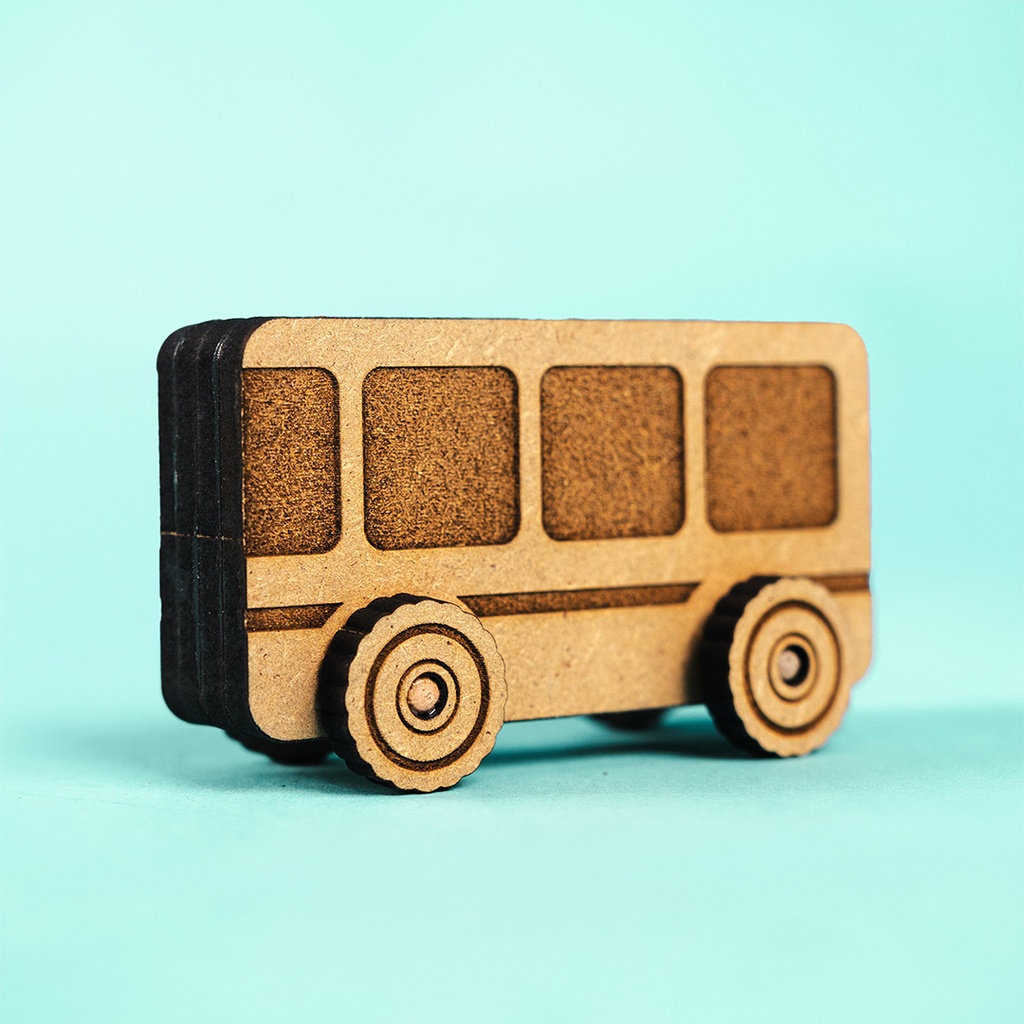
Bus Adventures
The classic town bus. Small enough to be easy to get into, and it runs happily on its own before roads and houses join it.
DKK 49
View product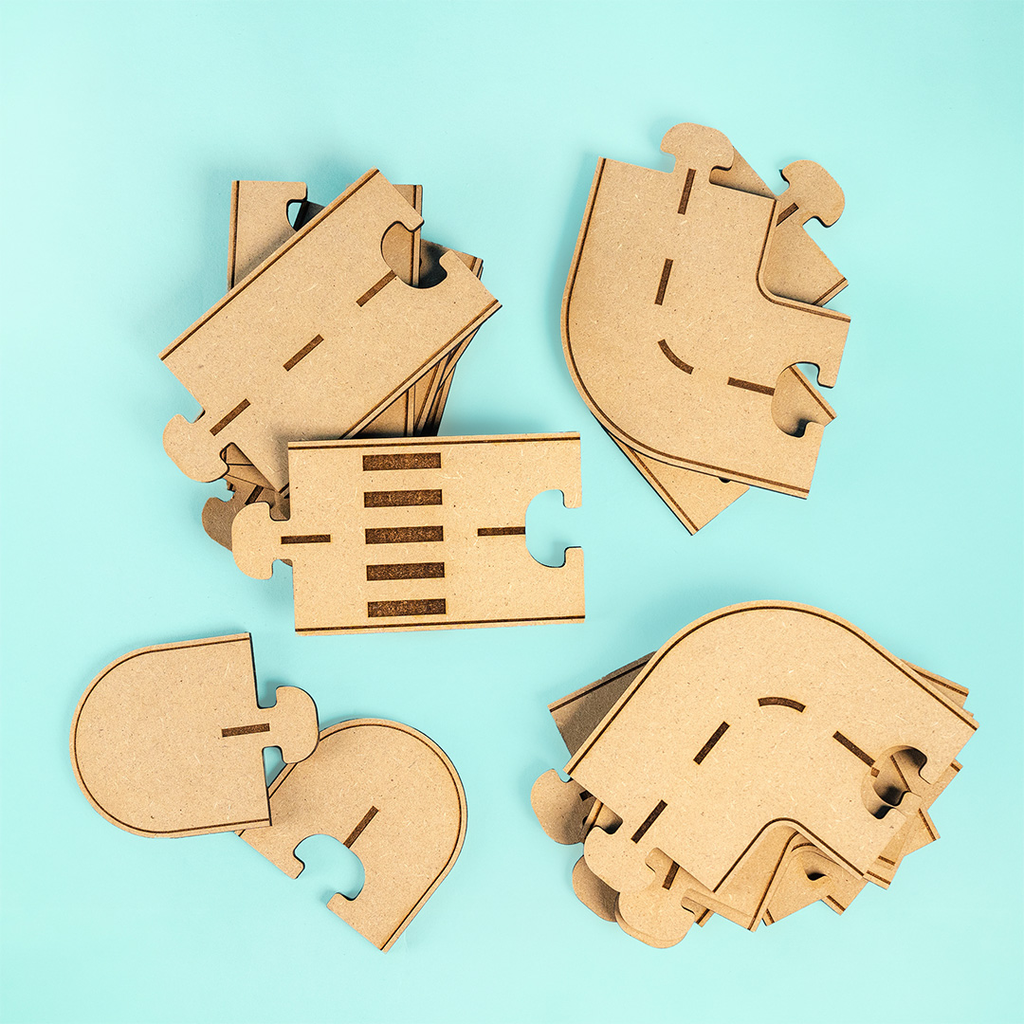
Adventure Track Extension
Four road pieces that can be laid in any direction. There's no right way, so the track looks different every time.
DKK 249
View product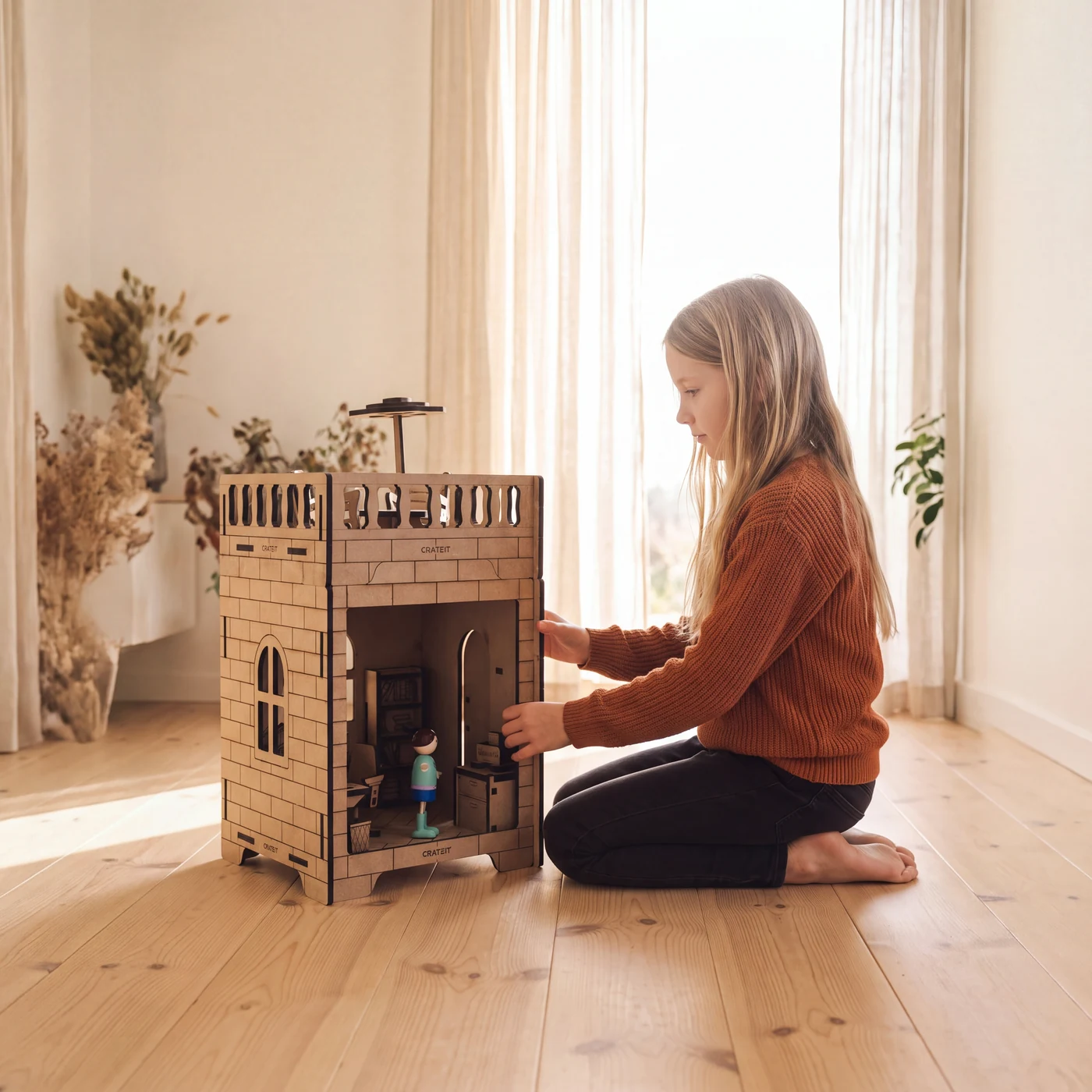
The Cloud Office
A room for the dolls' house with furniture included in the set. Role-play often lasts longer than building play, because the story can carry on.
DKK 399
View productThree things that usually help
Cut down the choice. Fewer things out at once makes it easier to choose. The rest can be put away and brought out later, when it feels almost new again.
Give the play a place. A table or a corner where things can be left until tomorrow makes it easier to pick up again.
Set time aside, even when it's inconvenient. Free play tends to be the first thing to go when the calendar is tight. That half hour is often the one that brings the most calm afterwards.
Frequently asked questions
From what age can a child play on their own?
It varies a lot from child to child. Many three-year-olds can be absorbed in something for a quarter of an hour while an adult is within earshot. It's less about age and more about practice.
Is it OK for a child to be bored?
Boredom isn't something that needs removing straight away. It's often just after boredom that the child comes up with something themselves. Try holding back on suggestions for the first few minutes.
How long should a child be able to play alone?
There's no right number. Start with a few minutes and let it grow. A child who has just learnt it might last five minutes; one who has practised can be lost in play for half an hour.
Which toys are best for playing alone?
Toys without a fixed answer. When there's no single right way of doing things, the child has to decide what happens, and it's exactly that decision that keeps the play going.
Read also: why open-ended choice is better and the benefits of fewer but better toy choices.