When a child takes the cap off a marker, fits two small parts together or colours inside a line, it is the small movements of the hands and fingers at work. Those movements are called fine motor skills. Here is a little about what the term covers, and about play that gives fingers something to do.
What are fine motor skills?
Fine motor skills are the small, precise movements of the hands and fingers, such as holding a pencil, doing up a button or picking up a bead. Gross motor skills are the big movements, like running, jumping and climbing. Both are used all day long, often without anyone thinking about it.
Everyday life is full of fine motor moments
Many of everyday life's small tasks use the fingers: putting on shoes, spreading butter on bread, zipping a jacket or turning the pages of a book. It is often easier when there is time, and when the child is allowed to try, even if it takes a little longer.
Drawing and colouring
Drawing and colouring are among the most common ways children use their fingers. A broad tip makes it easy to cover large areas, while a fine tip allows for detail. Crateit's water based acrylic markers come with both a 3 mm and a 1 mm tip, and they are made for colouring wood.
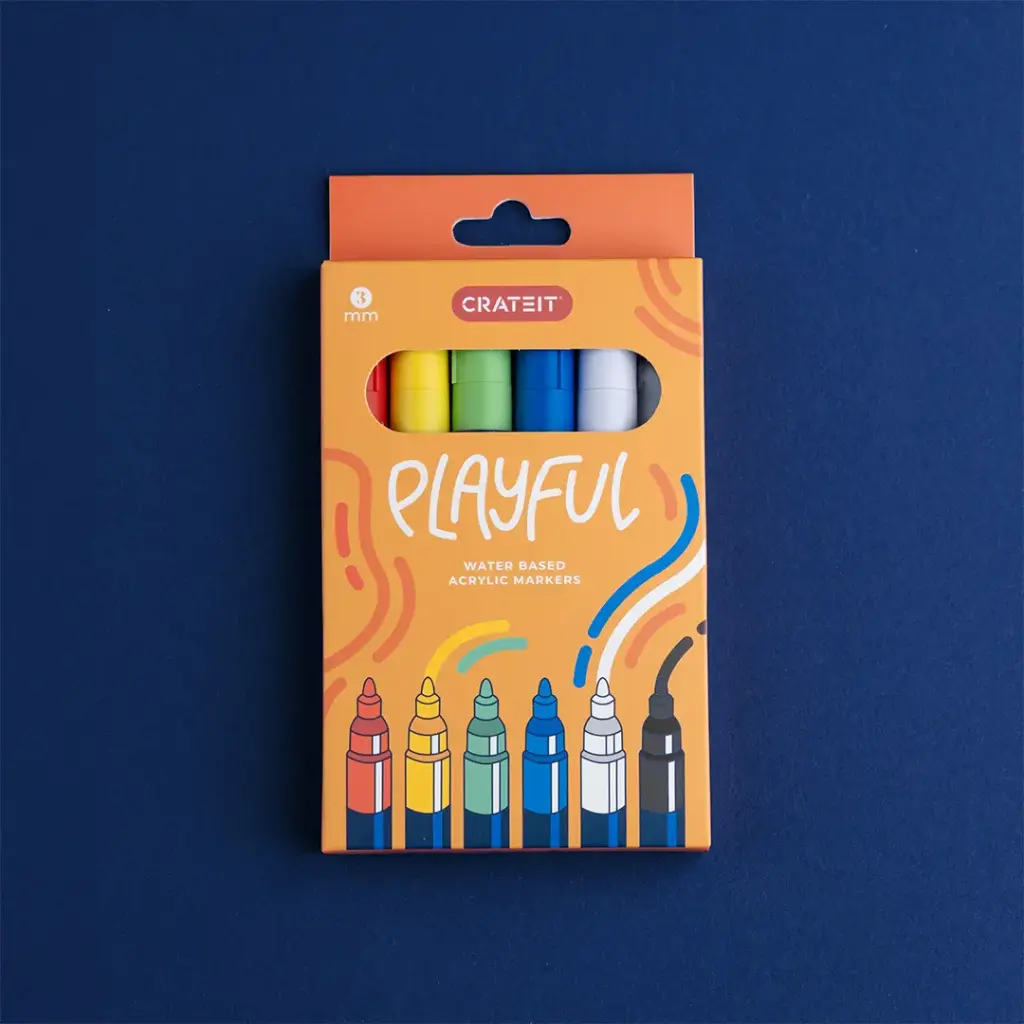
Playful Markers 3 mm
Six markers in vibrant primary colours with a broad tip for the larger surfaces.
View product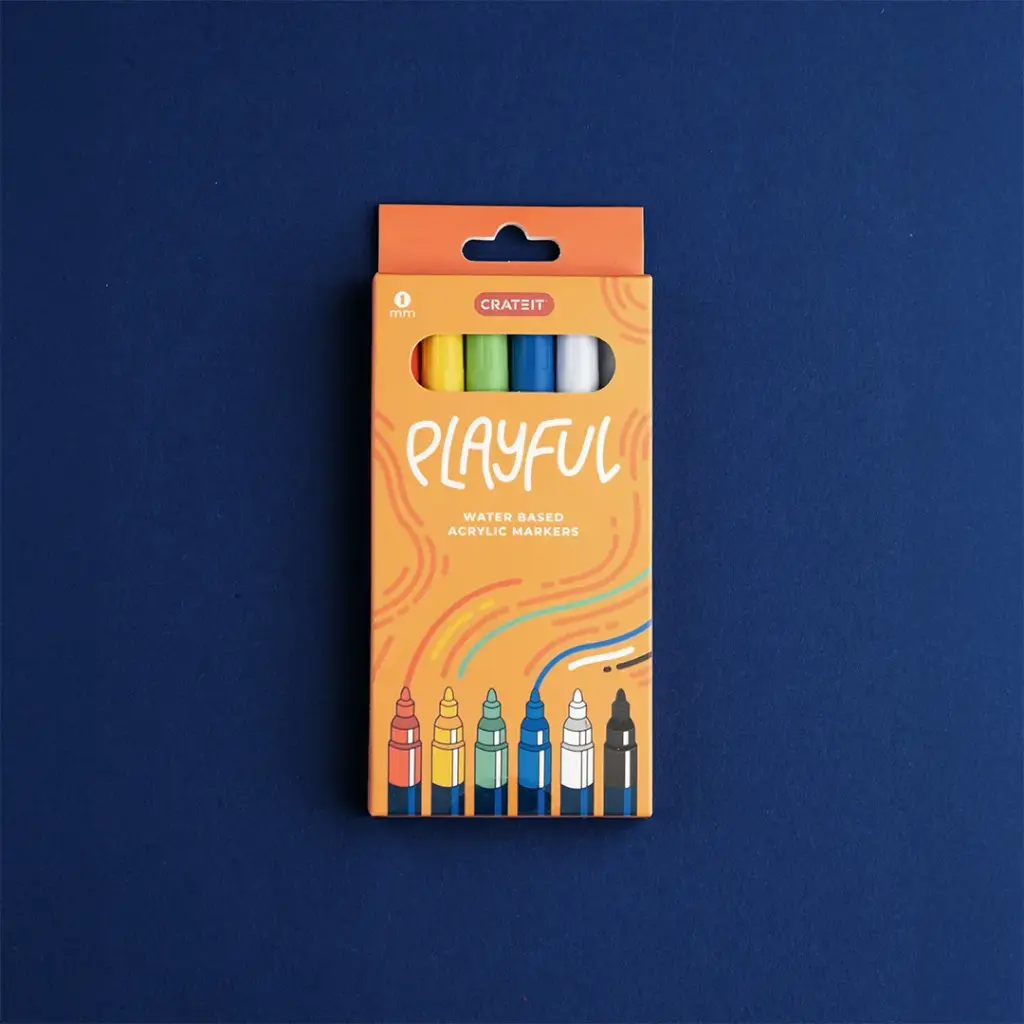
Playful Markers 1 mm
Six markers in vibrant primary colours with a fine tip for the details.
View product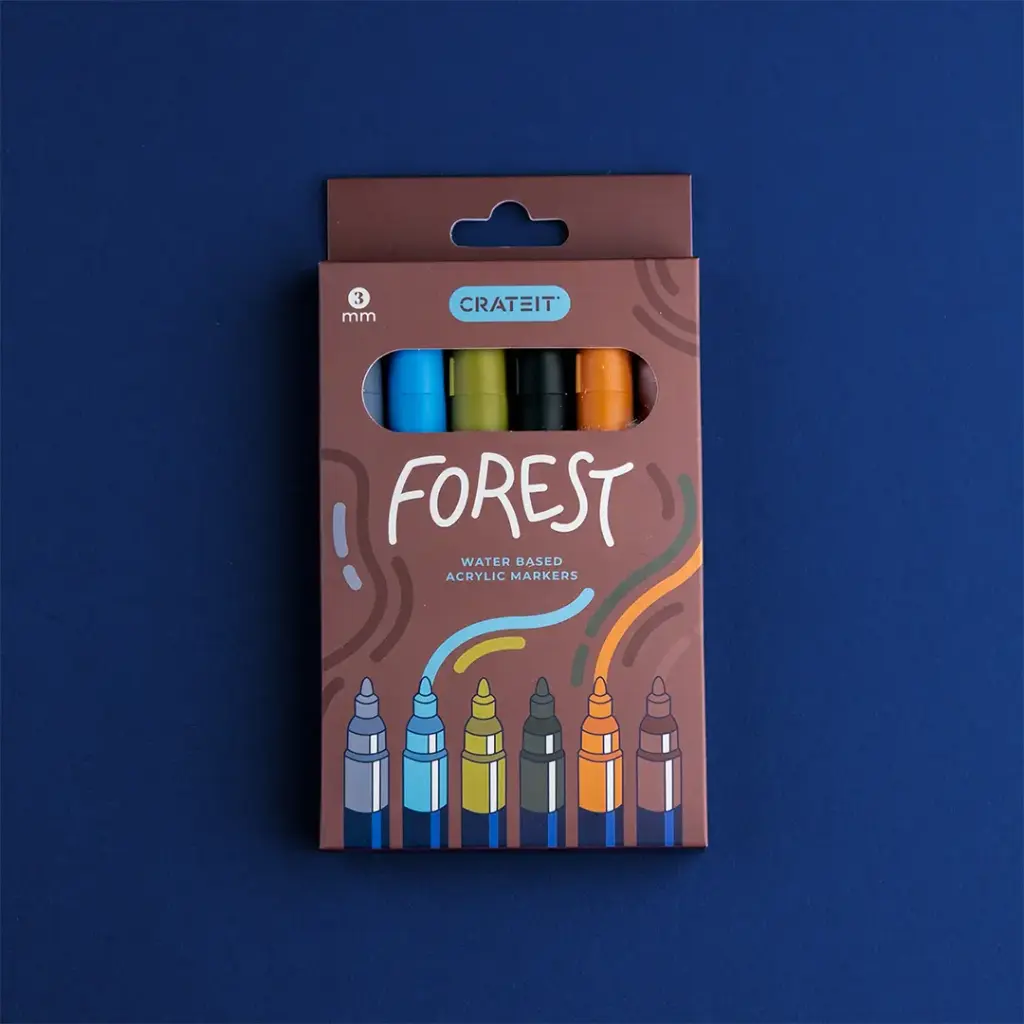
Small parts and putting things together
Toys where parts have to fit together give the fingers something to work with. Crateit sets click together without glue and can be taken apart and built again. Roomies come with small pieces of furniture that the child can move around, and that are coloured before the house is finished. The toys contain small parts, so always follow the age on the box.
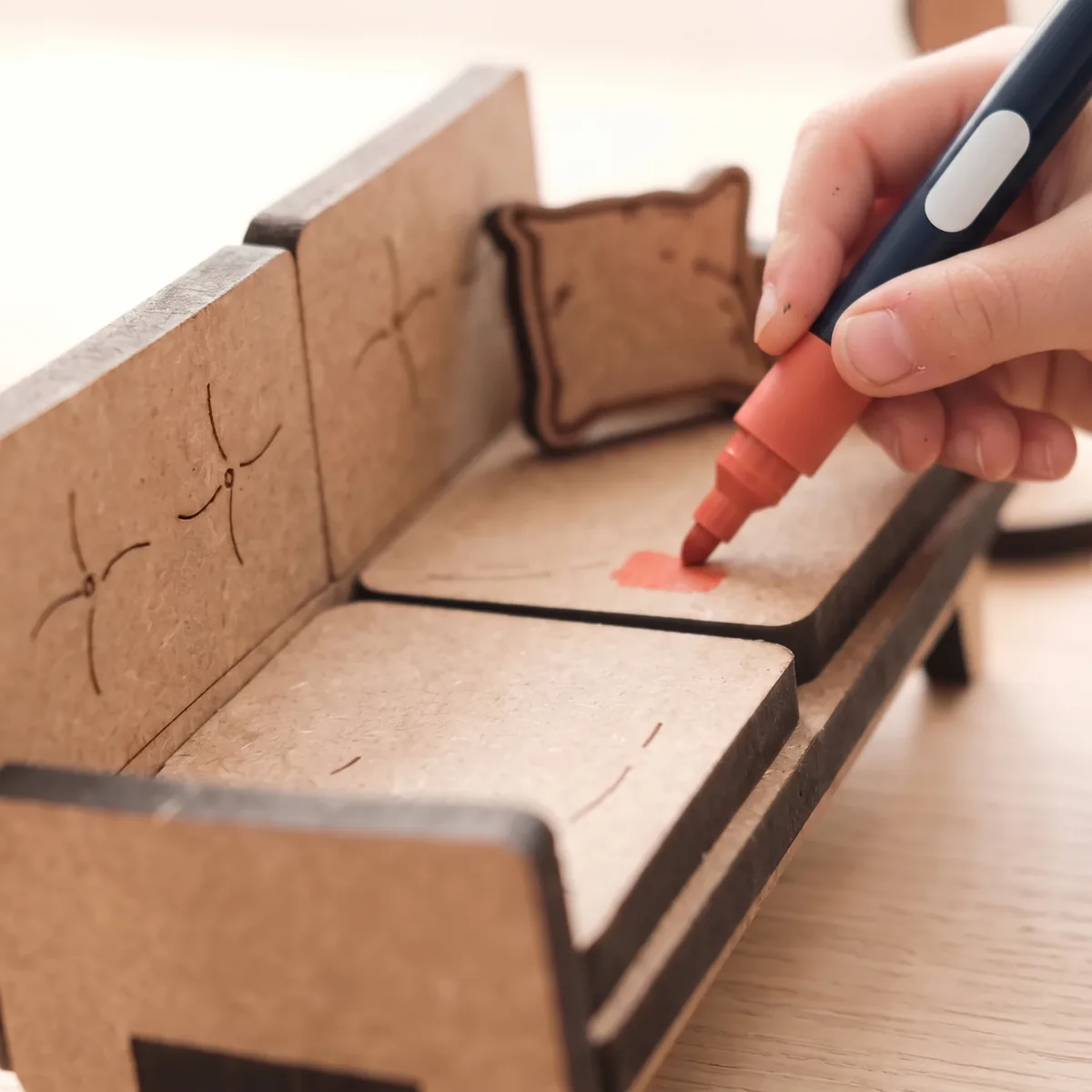
Couch & Crayons
A living room and a playroom across two floors. Emma is included along with a rocking horse.
View product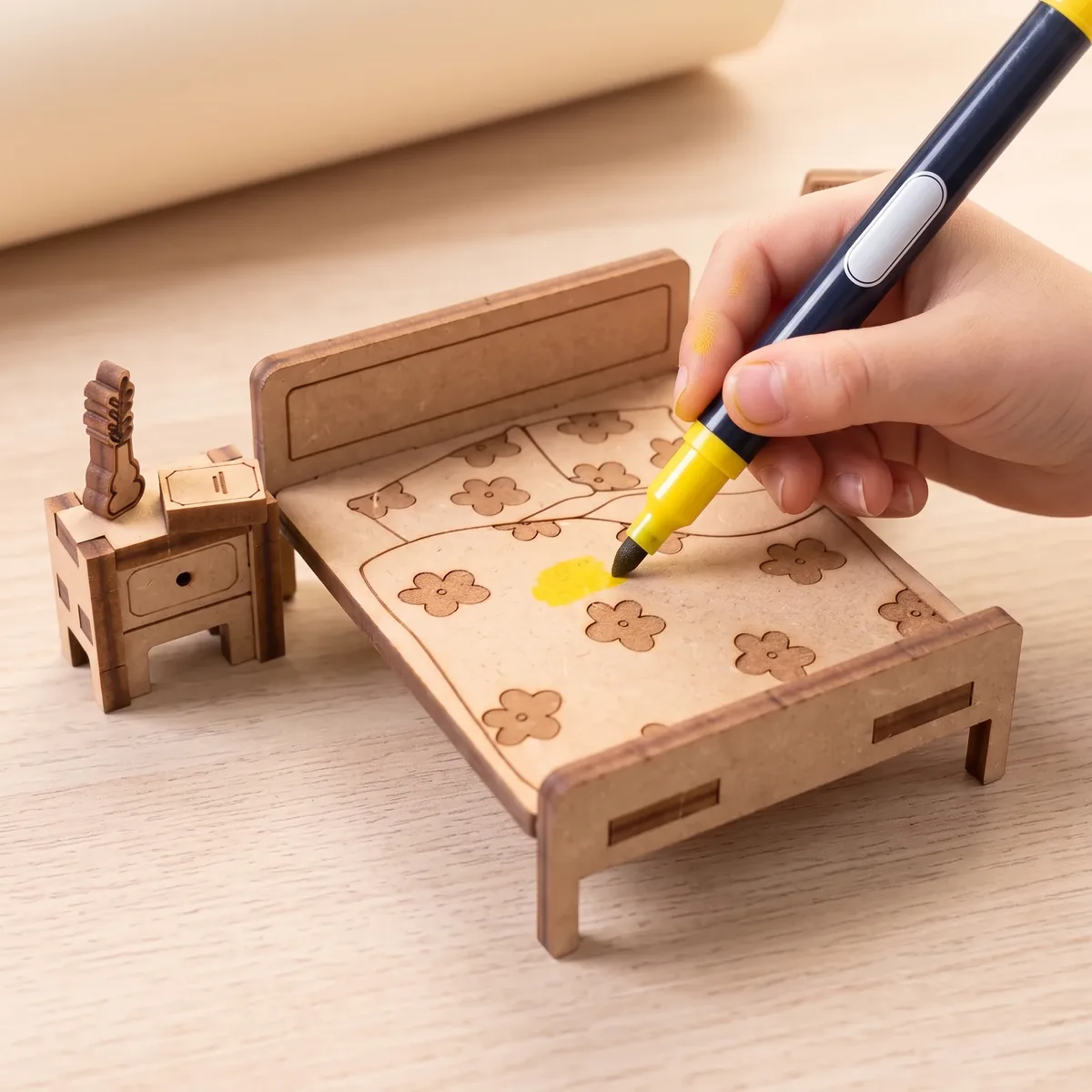
Breakfast in Bed
A kitchen and a bedroom across two floors. Camilla, mum in the Roomies family, is included.
View product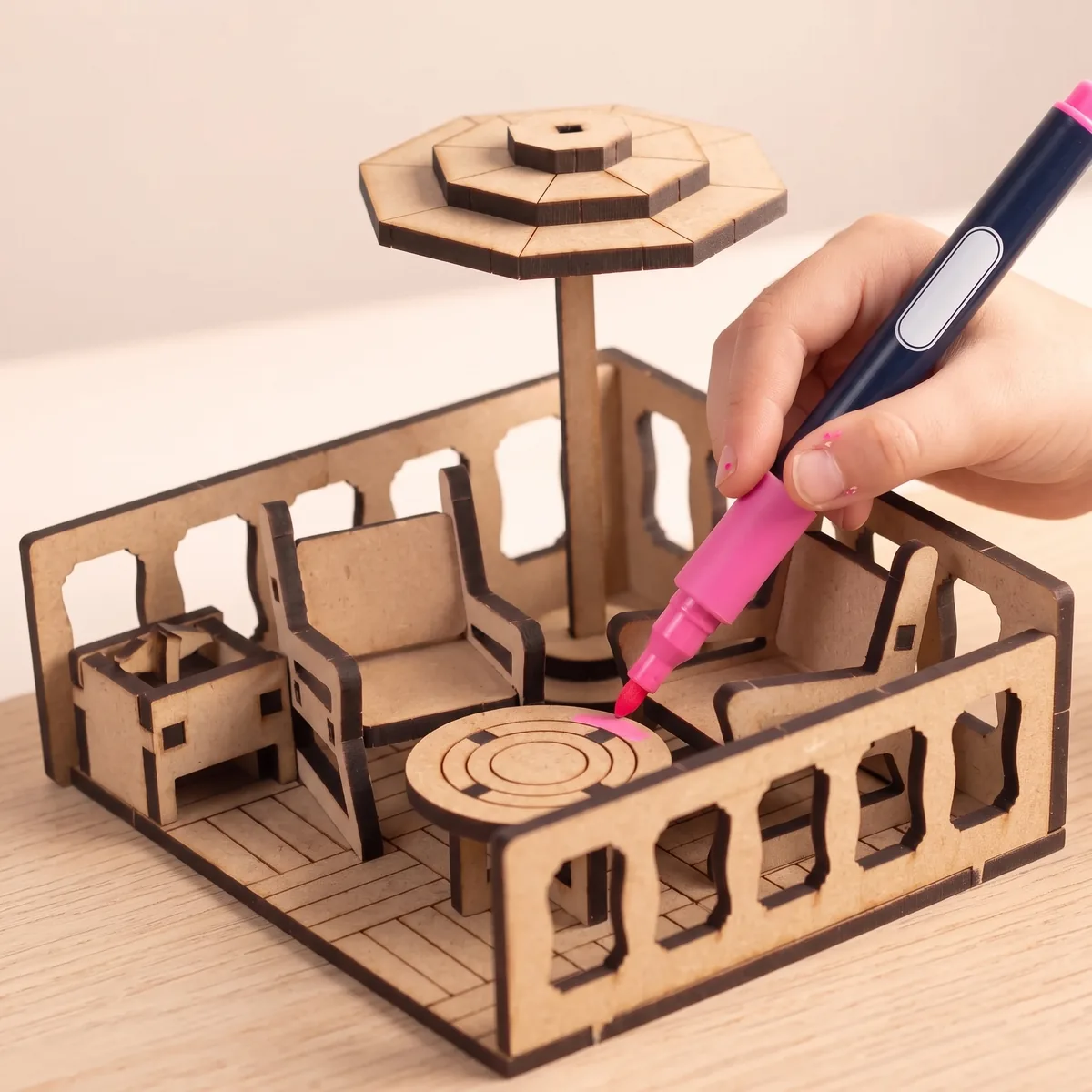
The Cloud Office
An office and a balcony across two floors. Thomas, dad in the Roomies family, is included.
View productPlay rather than exercises
Often it works best when it does not feel like practice. A child busy giving the dollhouse bed a flower pattern is not thinking about how hard it is to colour inside the line. They are just thinking about how the bed should look.
If you are unsure
Every child develops at their own pace. If you are unsure about your child's fine motor skills, talk to your health visitor, your doctor or your child's nursery staff. They know the child and can give advice that fits your situation.
Small everyday ideas
It does not take much. Let the child help pour water from a jug, sort the cutlery or put buttons in a bowl. Let them get dressed and button up their jacket themselves. Draw together on a large sheet of paper, or colour a toy. Many of the things children want to do anyway use their fingers in a good way.
The most important thing is often patience. It takes longer when the child does it themselves, and it is not always neat. But it is by trying that it gets easier next time.
Colour first, play afterwards
Crateit toys arrive uncoloured, so colouring is part of the play. Some children colour the whole house before they start playing. Others colour a little each day and play in between. Both are fine. And because you can colour on top when it is time for a new style, the toy is never quite finished.
When children play together
Fine motor play does not only happen at the dinner table. When two children build a town together, they pass each other small parts, join roads and stand figures up. When they colour together, they share markers and take turns. The play itself keeps the fingers busy, and the social side comes along by itself.
For more ideas for screen-free play, read our advice on screen time.