How much screen time should children have? That is the big question. Perhaps you struggle at home to judge how much screen time children should have? And what can you do with the children instead? We understand that it can be a battle to get them away from tablets, smartphones and TV. You are not alone. Screen time for children is a topic that worries many parents, and with good reason.
It can feel impossible to compete with colourful games, fast-paced videos and always-available entertainment, but fortunately there are solutions. In this blog post we look at how much screen time children should actually have, and how you can manage your child's screen use without daily conflicts. You will also get concrete suggestions for what you can do with the children instead.
Screen time for children: get inspiration on how to help your child find a good balance between screen time, play, learning and being together!

- The picture shows the farmhouse from our farm range
Screen time for children: what is the recommended screen time for children?
We cannot ignore that we live in a digital age where screens take up more and more space, so it is almost impossible to keep children away from them completely. That is why it is important to consider how much screen time children should actually have. You may have tablets, smartphones and TV at home that offer both entertainment and learning, but where do you draw the line between healthy screen use and too much time in front of the screen? We have found some expert advice you can consider.
According to the health authorities, young children under two should not have screen time without an adult by their side. For children aged 2 to 4, a maximum of one hour of screen time a day is recommended, while children and young people up to 17 should stick to 1 to 2 hours a day in their free time.
But it is not only about time: the quality of screen use is just as important. Børns Vilkår (a Danish children's charity) stresses that “If the child is on a screen, we recommend that you prioritise screen use where the child is active or creative over screen use where the child is a passive consumer.” This means that activities such as digital drawing, making stop-motion films or programming are far more valuable than simply watching videos.
A good rule of thumb according to Børns Vilkår is that children should not exceed five hours of screen time a week, preferably less, and no more than 45 minutes a day. There can be exceptions, for example if the child watches an age-appropriate film with an adult.
By focusing on both the amount and the quality of screen time, you can help your child develop healthy screen habits and a good balance between digital time and play, movement and being present.
Links to articles on how much screen time children should have:

- The picture shows the magic forest from our unicorn range
Screen time for children: how do I handle it?
As a parent, it is important that you take an active role in managing your child's screen time, but that does not necessarily mean removing screens altogether. It is about finding a good balance and offering your child alternatives that engage them in a creative and active way.
A good way to manage screen time is to create exciting activities that capture your child's attention, without a screen. For example, you could suggest creative games where your child can use their hands and imagination. You can do homemade projects together, such as painting, building with blocks or making jewellery. If your child wants to spend their time on something constructive, creative toys can be a fantastic solution. Toys that encourage both learning and play, such as puzzles, building blocks or DIY kits, are a perfect way to engage your child.
By offering alternatives to the screen and making these activities a fun and educational part of everyday life, you can make it easier for your child to choose something other than just sitting in front of a screen.
Less screen time for children: activities that engage and teach without a screen
Managing how much screen time children have does not mean your child has to be bored. At Crateit you will find creative products that both engage and teach your child while keeping them away from screens. These creative toys are perfect alternatives to screen time for children, as they encourage learning and play while giving your child a fun and developing break from screens. See some of Crateit's most popular products below.
Dinosaur Wooden Toy | Rover's Expediton - DKK 299.00

Go on an adventure with Rover in nature and camp in a tent. Explore nature's treasures and make the trip even more enjoyable with the stylish SUV. Create unforgettable memories together with Rover.
The Farm Wooden Toy | The Farmhouse - DKK 399.00

Discover creative play with Crateit The Farmhouse, part of the Farmlife range. This wooden toy lets children design, colour and furnish their own country house while they explore life in the countryside and develop their imagination.
Crateit | Unicorn Wooden Toys | Magical Forest

In the Magic Forest lives the unicorn Juni with her 3 best friends. They fly among enchanting trees and love wild strawberries, which they use for magic potions. Colour in and discover the friends' secret home.
Something to do instead of screens
What works best against screen time is rarely a ban, but something else that is more exciting right now. Open-ended toys without a fixed answer usually last longer than a set that can only do one thing.
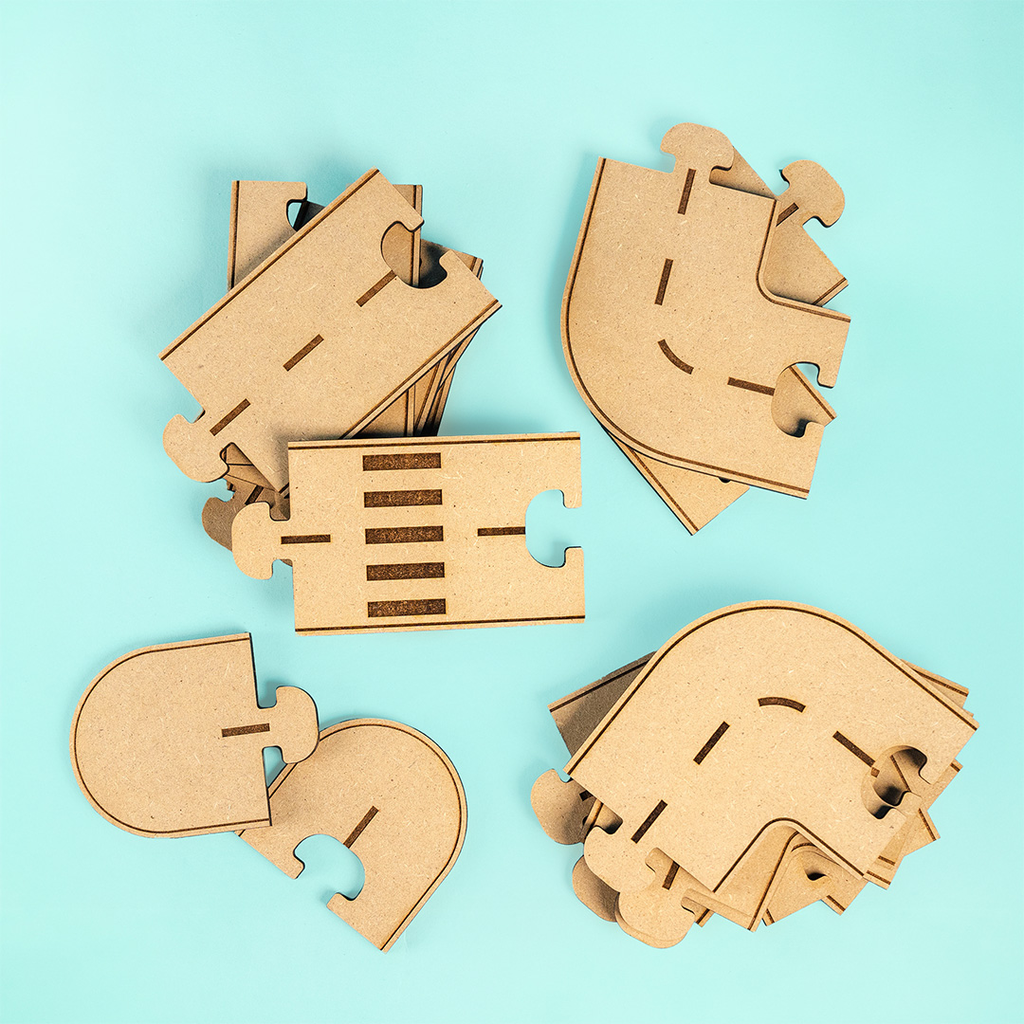
Adventure Track Extension
Four road pieces that extend the track in every direction. There is no right way to lay them out.
DKK 249
View product
Vista Villa
A villa with a view. It can stand on its own or become part of a bigger town.
DKK 249
View product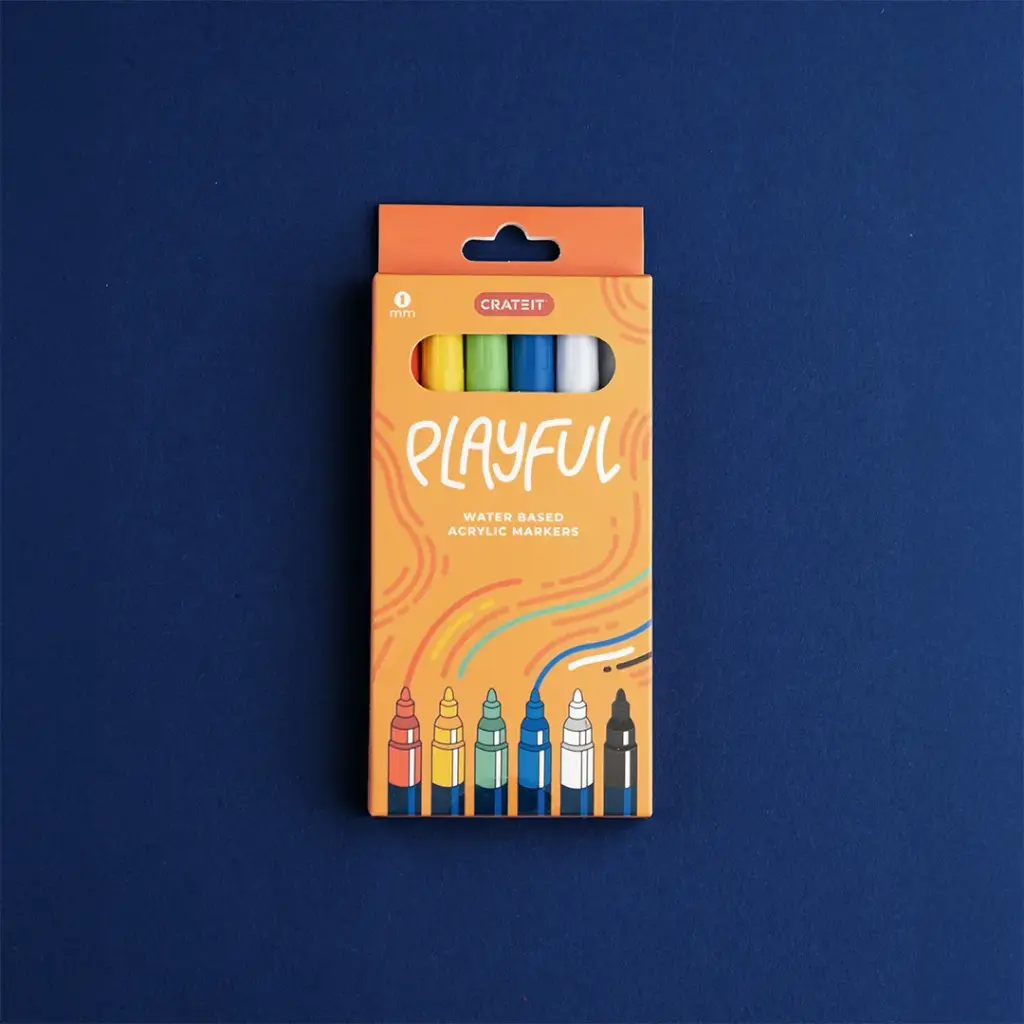
Crateit Playful Markers - 1mm - 6 pcs.
Acrylic markers in bright primary colours. The colouring often becomes an activity in itself.
DKK 99
View productRead also: why the open-ended choice is better.
Frequently asked questions
How much screen time should children have?
There is no single number that suits every child. What tends to work is fixed routines the family can stick to, rather than a limit that gets negotiated every day.
How do you get children away from the screen?
Rarely with a ban alone. It works better to have something else ready that is more exciting right now. The switch is easier if something is already out.
What can you offer instead of a screen?
Something where the child decides what happens. Toys without a fixed answer usually last longer than a set that can only do one thing, because the play is not over once the task is solved.