Wooden toys vs plastic toys: which should you choose?
It is one of the questions parents come back to every year: is wood the right choice, or is plastic fine? The answer is not clear-cut, as both have advantages, but if you are unsure, there are good reasons to look at wooden toys as the main choice. We explain why in this guide and give concrete examples from the Crateit range.
Durability: wood can take more
The most visible difference between wooden and plastic toys is durability. Good wooden toys can last for many years and be handed down to a younger brother or sister or the next generation.
This means wooden toys often cost more to buy, but the price is spread over more years of play.
Sustainability: wood is renewable, plastic is fossil
Plastic toys are made from oil. That means using fossil resources, CO2 emissions during production, and waste that takes a very long time to break down in nature. Although plastic can in theory be recycled, a lot of toys end up as waste.
Wooden toys made from quality wood fibre (MDF/HDF) are made from wood, which is a renewable resource. Crateit toys come unpainted, with no lacquer.
Crateit toys are made from wood fibre (MDF), designed and produced in Denmark.
Sensory experience: children feel the difference
If you have ever given a child both a plastic toy and a wooden toy, you may have noticed that the child often prefers the wooden one. That comes down to how it feels:
- Weight: Wood has substance. It feels "real" in the hand, where plastic feels light and artificial.
- Warmth: Wood takes on the temperature of the air or the hand. Plastic always feels cool and lifeless.
- Sound: Wood against wood gives a soft, warm sound. Plastic against plastic gives a hard, clattering sound that many children find unpleasant over time.
- Smell: Wood smells of wood. Plastic smells of plastic.
Safety: what is in it?
Crateit toys are tested to EN 71 (the EU toy safety standard). In concrete terms, they consist of:
- Wood fibre boards (MDF/HDF)
- Unpainted surface, no lacquer
Play value: open-ended vs closed toys
A subtle but important difference: good-quality wooden toys are usually "open" in their design, meaning they invite many different ways to play. Plastic toys are often "closed": they have one main function (a car drives, a doll has a dress, a battery lights up).
Open-ended toys build imagination. Closed toys limit it.
Crateit Town is a good example of an open-ended toy: a bus can be a school bus, a mum on her way home, a lorry full of parcels, or a racer who wins. Every game is new. A plastic superhero set has one story, and it belongs to the superhero.
Price: an honest comparison
Yes, wood often costs more to buy. But:
- Crateit Town grows with add-ons. The plastic town is finished once it is unpacked.
- Crateit Town can be passed on to siblings or sold second-hand when your child has outgrown it.
When is plastic actually fine?
We do not want to be unrealistic. There are situations where plastic makes sense:
- Beach and bath toys (wood rots in water)
- Bike helmets and safety equipment (plastic is lighter and absorbs impact better)
- Certain educational learning games where electronics are needed
For free play, role play and creative building, wood is still the better choice.
Our favourite Crateit picks
Ready to get started? Here are three popular Crateit products you can take home today.
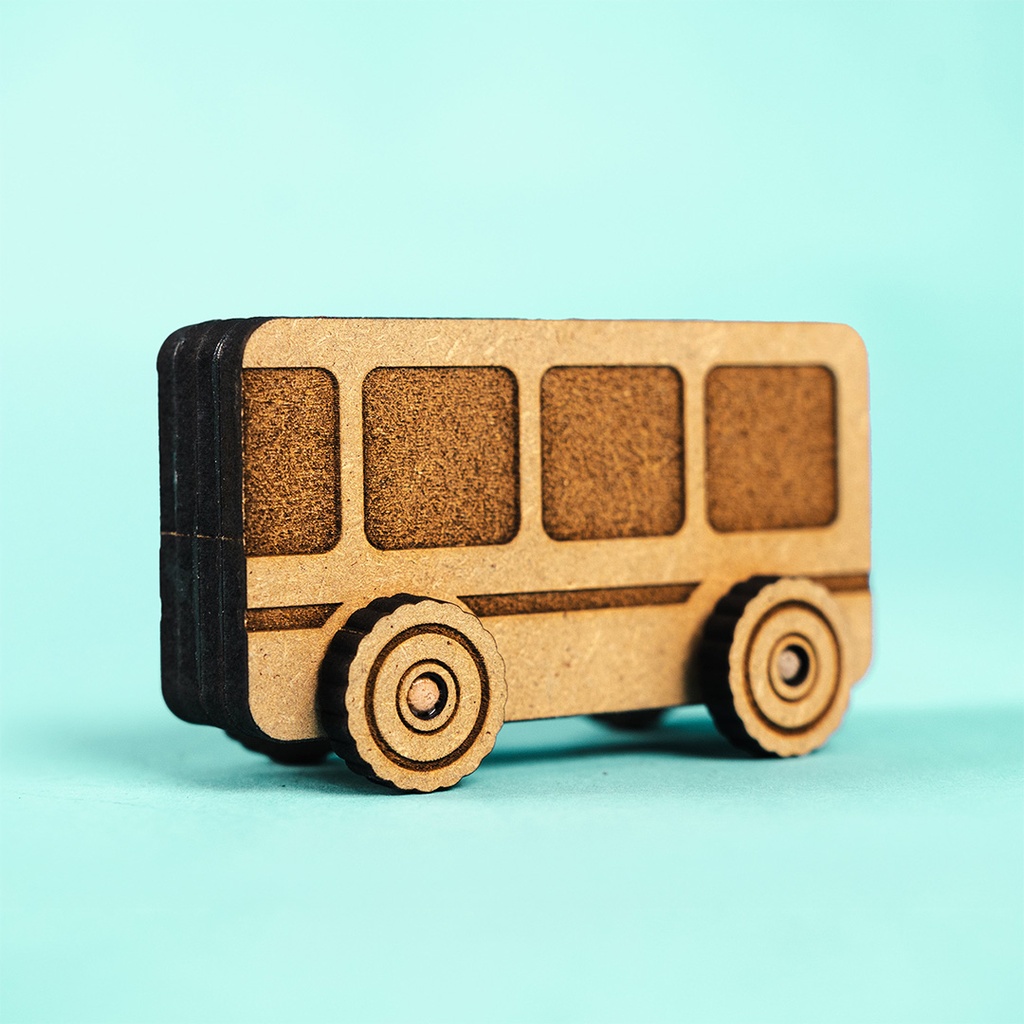
Bus Adventures
The classic town bus for Crateit Town: a good way into the Town universe, and it works both on its own and with bigger sets.
DKK 49
VIEW PRODUCT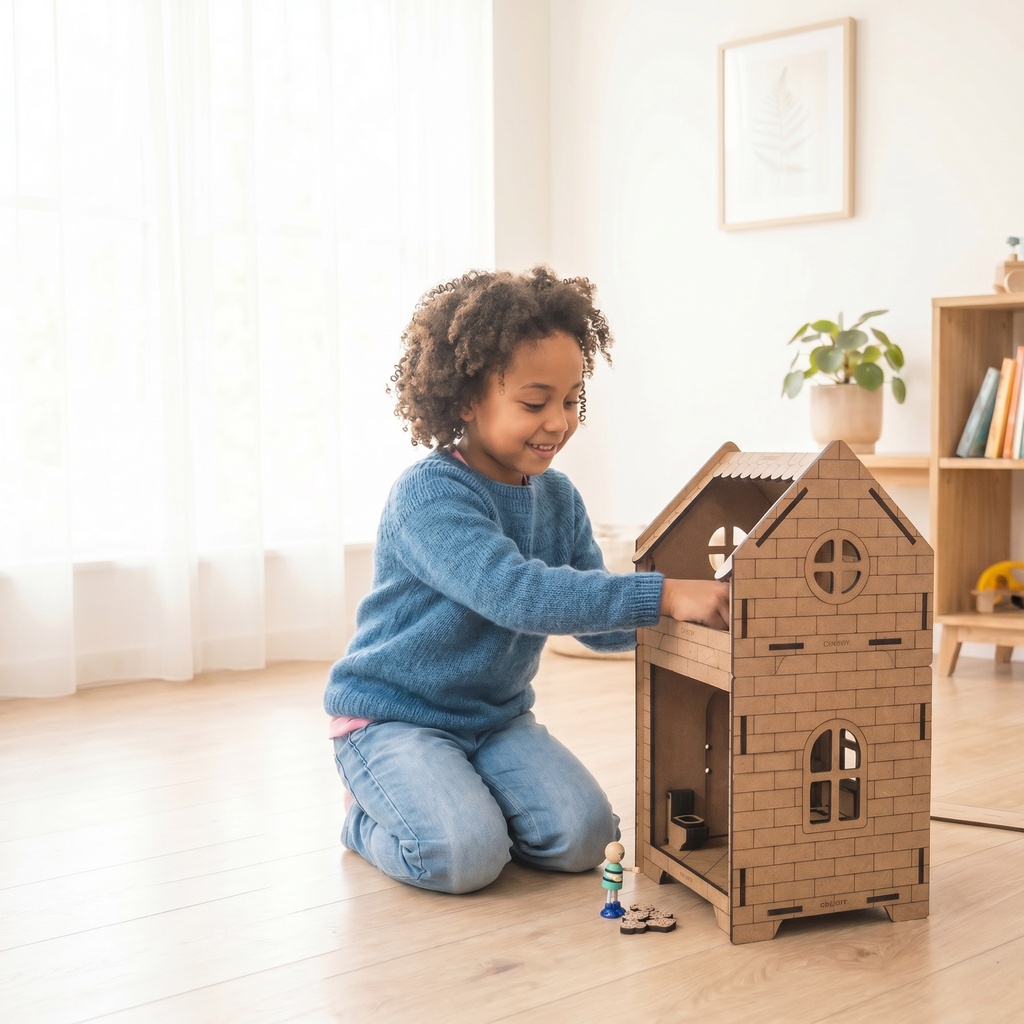
Roomies: The Bubble Nest
Bathroom and bedroom in one set. Complete role play around morning and evening routines.
DKK 399
VIEW PRODUCT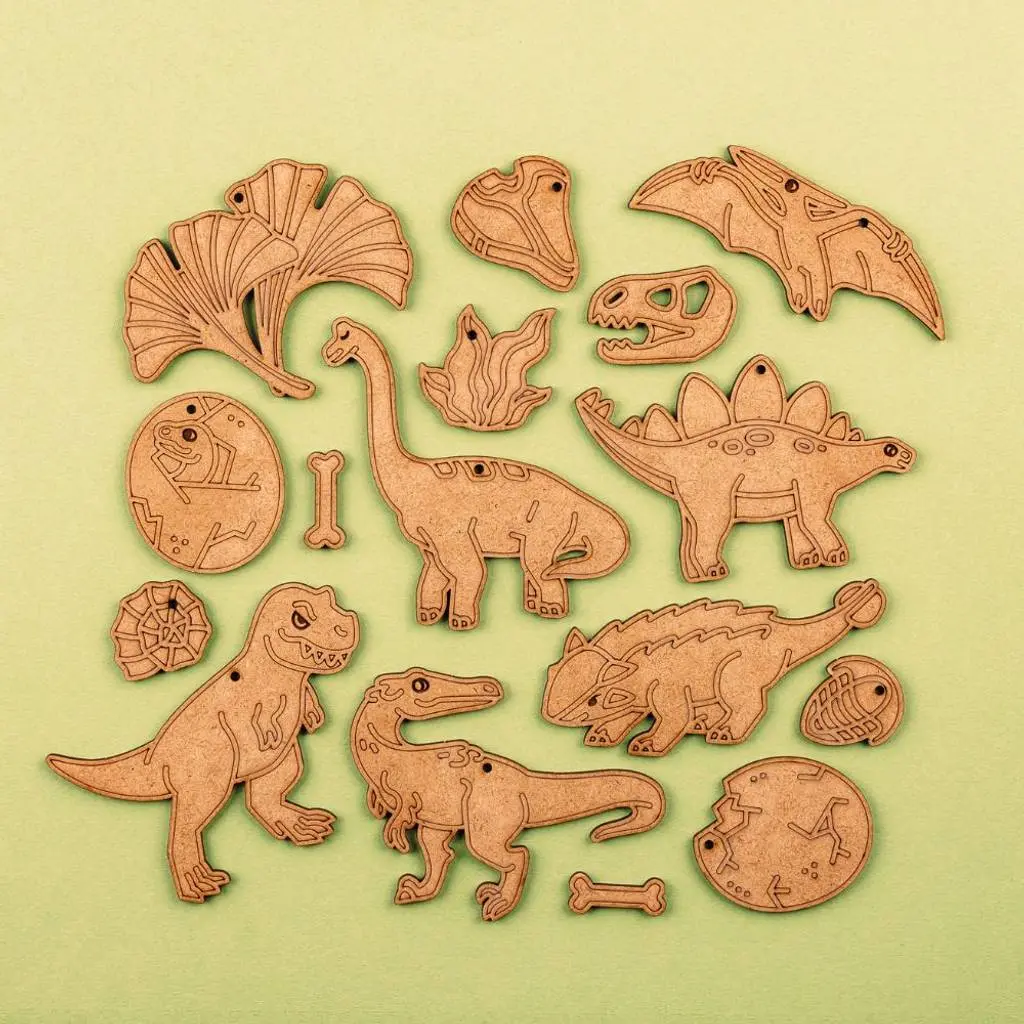
Dinosaur: Jurassic Journeys
A small starter set from the Dinosaur range. The perfect gift or introduction to the Crateit universe.
DKK 99
VIEW PRODUCTAll Crateit toys are designed in Denmark and made from quality wood fibre (MDF/HDF).
Frequently asked questions
Are wooden toys really more expensive than plastic over time?
Wooden toys often cost more to buy. In return, good wooden toys can last for many years and be passed on to siblings, so the price is spread over more play.
Are wooden toys safe for young children?
Crateit toys are made from wood fibre (MDF) and tested to EN 71.
Why do so many children prefer wooden toys?
Wood feels completely different from plastic: the weight, warmth, sound and smell. Many children experience it as more real and engaging.
Can I wash wooden toys?
Yes, but differently from plastic. Use a slightly damp cloth with mild soapy water. Do not leave wooden toys soaking in water, and do not put them in the dishwasher. With that care, the toys last a long time.
Which wooden toy brand should I start with?
Crateit Town is a good place to start. Bus Adventures (DKK 49) is an affordable way in. It is made from wood fibre and designed and produced in Denmark. You can expand the collection over time.